Narkara Brings Northern Thailand's Fermentation-Forward Cuisine to Union Square
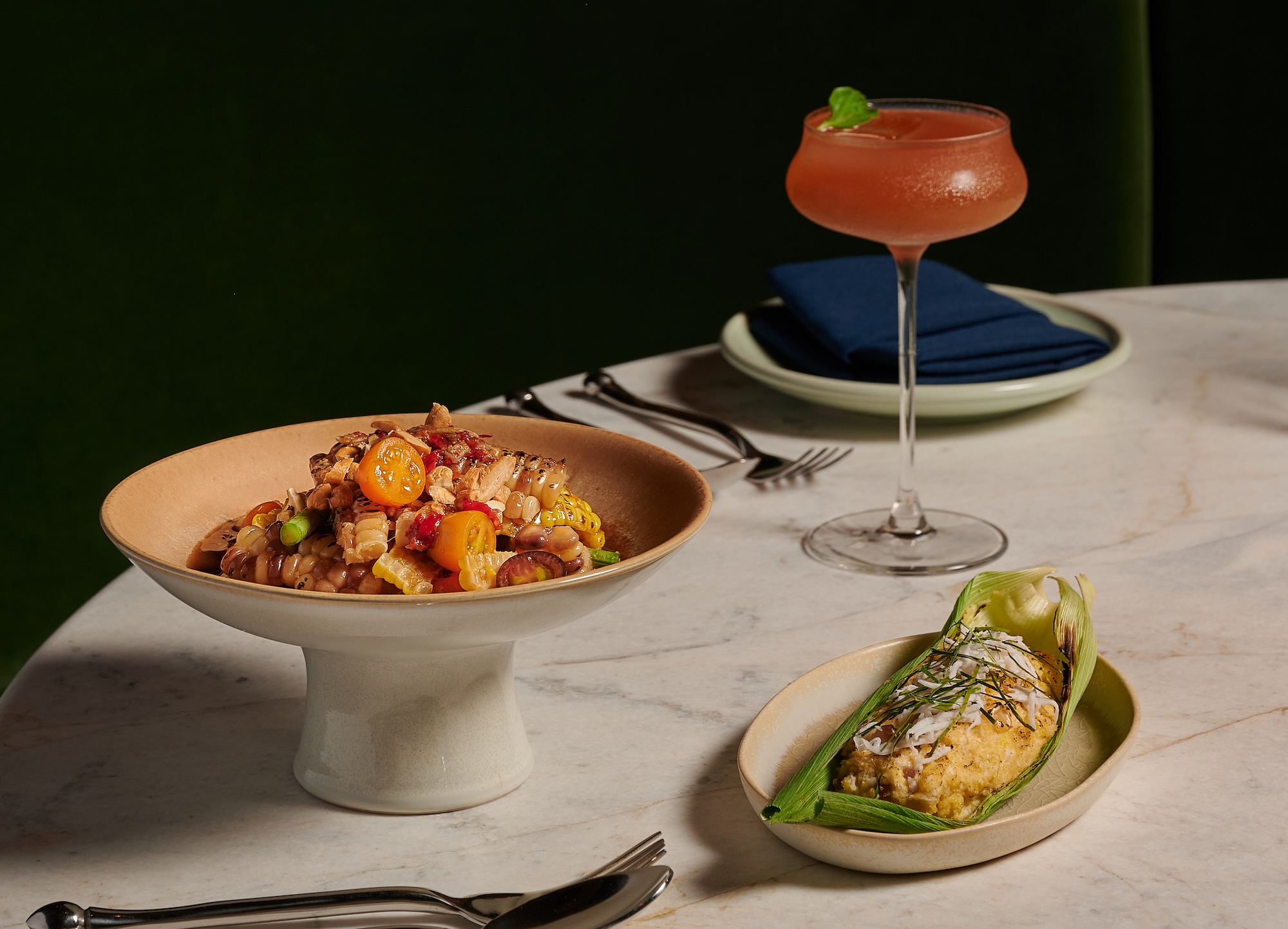
Photography by Titaporn Kunna
For Kinnaree Hospitality Group, Narkara represents a deliberate shift from accessibility to specificity, bringing dishes that demand both technical precision and cultural context to a city that has only recently begun to understand Thai cuisine beyond a narrow band of export-friendly standards.
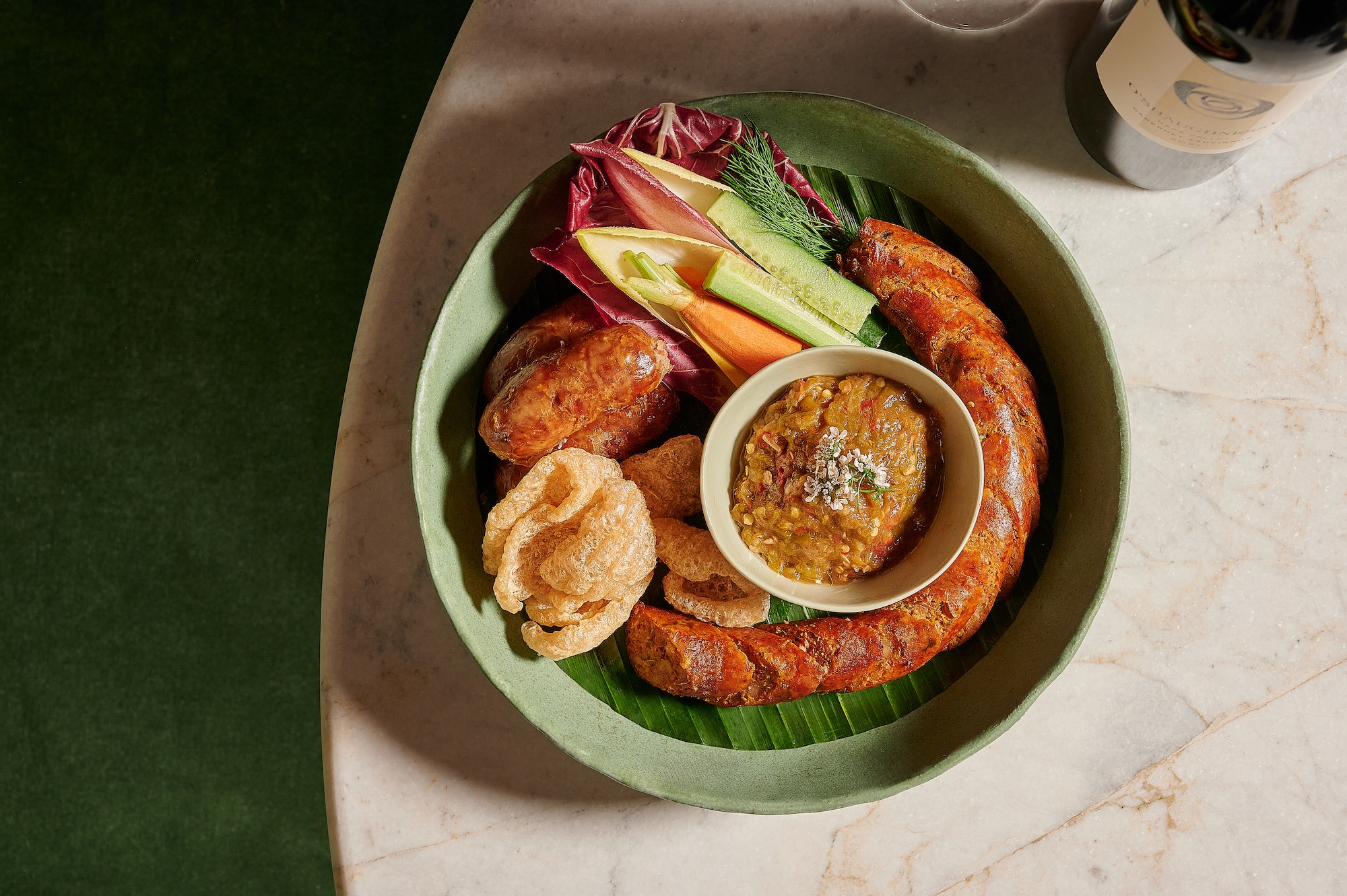
Photography by Titaporn Kunna
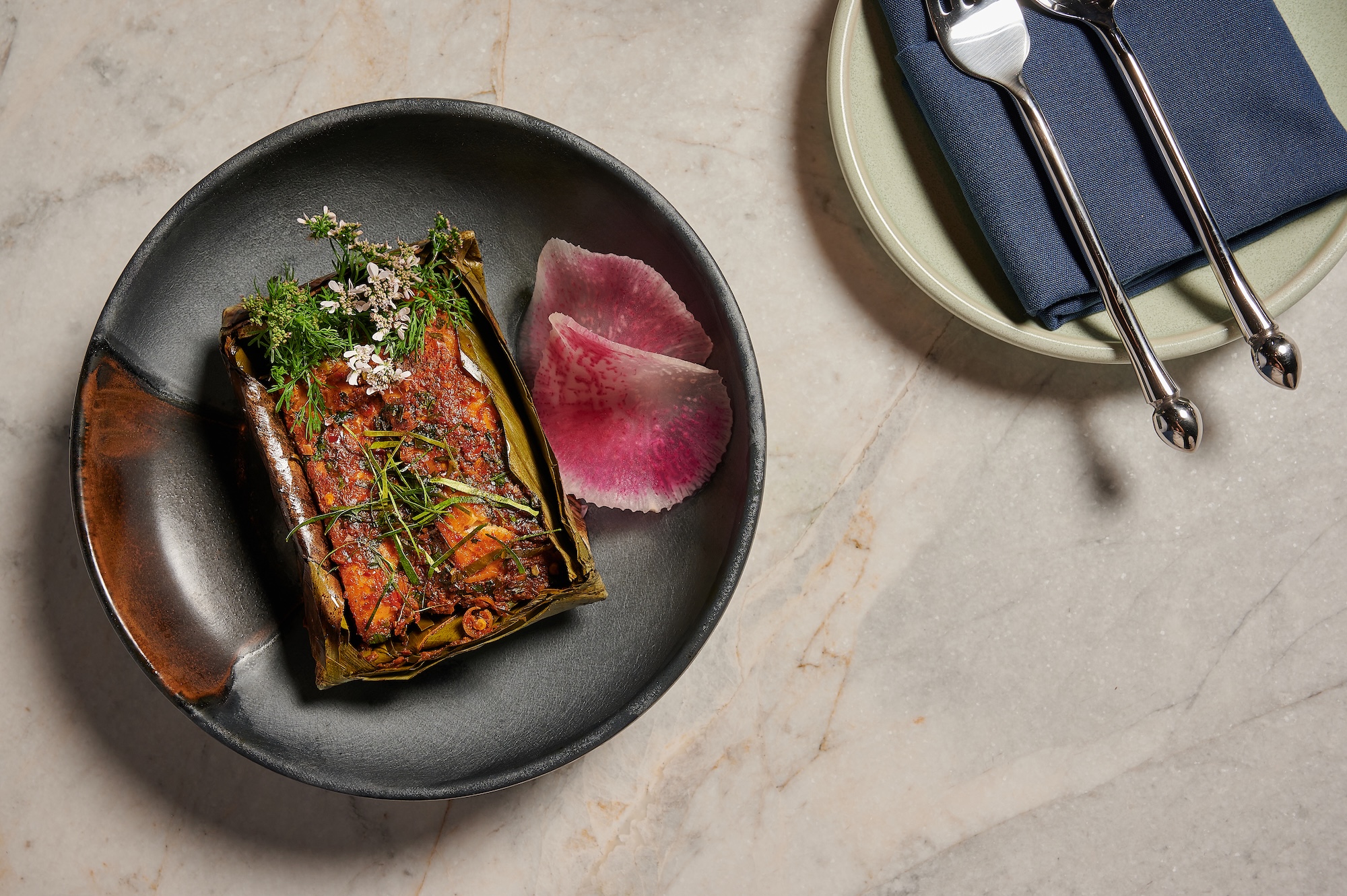
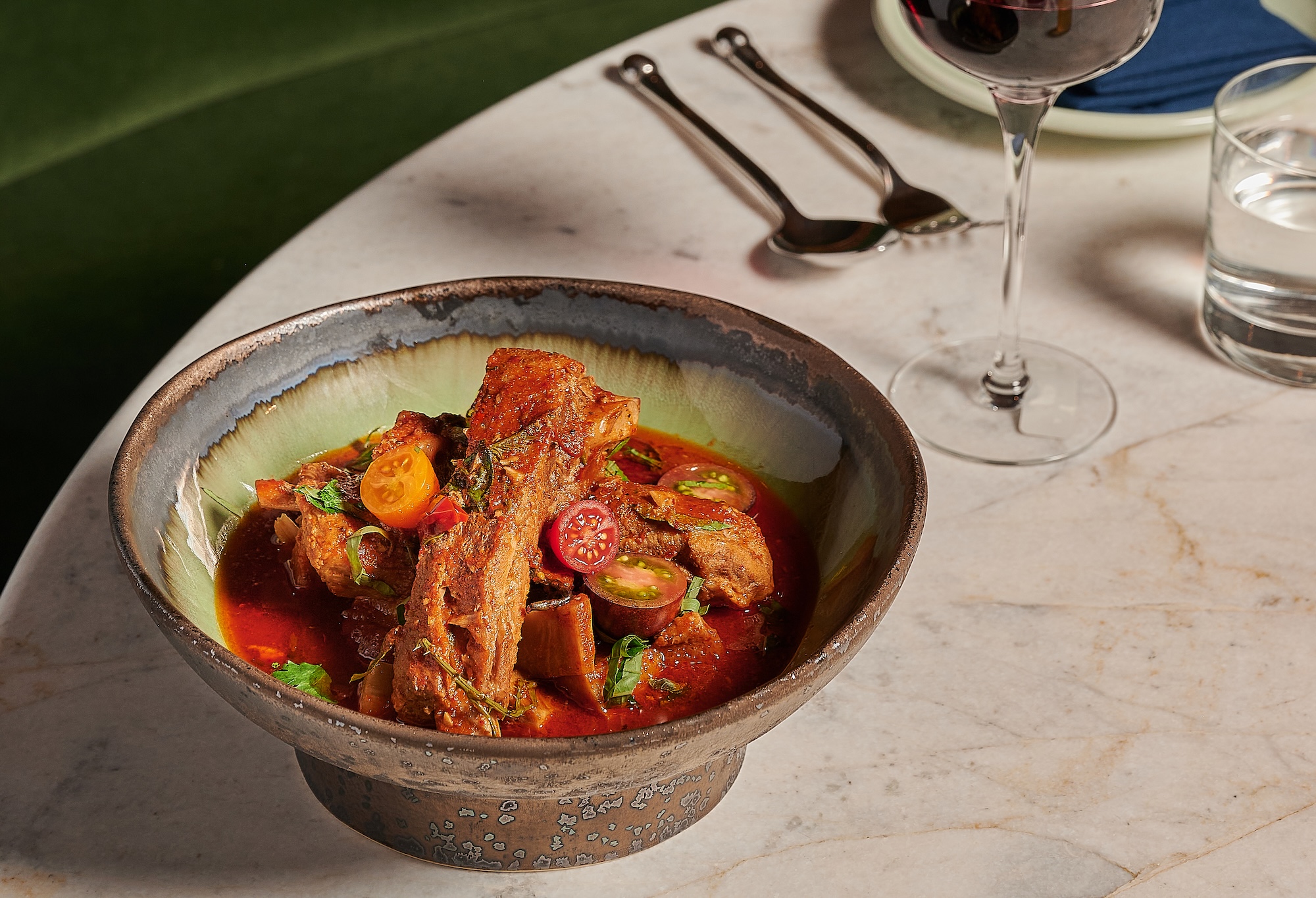
The menu reads like a catalog of techniques that cannot be rushed. Gaeng Kradang, a chilled red curry terrine, relies on slow-simmered pork breaking down until its collagen sets naturally into savory jelly, a process that mirrors the Northern Thai practice of leaving curry pots out in cold mountain air overnight. The method transforms curry from liquid to solid through patient reduction rather than added gelling agents, preserving the depth of flavor while achieving a texture that feels both ancient and unexpected. Similarly, Gai Tai Nam employs a Northeastern steaming technique where a bowl of cold water placed atop the cooking vessel creates condensation that bastes the chicken, a workaround born from regional resourcefulness that yields exceptionally moist poultry without modern equipment.
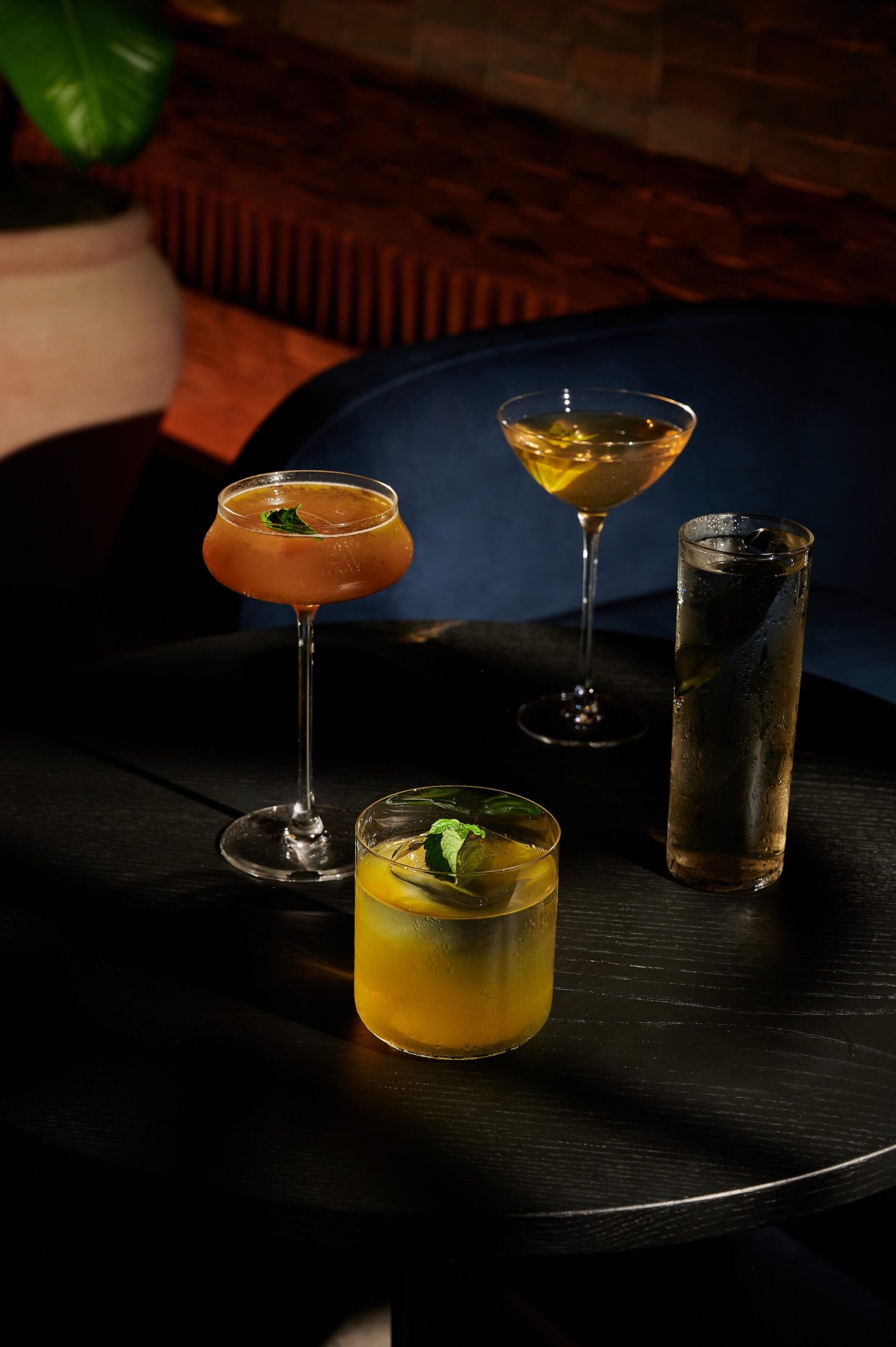
Photography by Titaporn Kunna
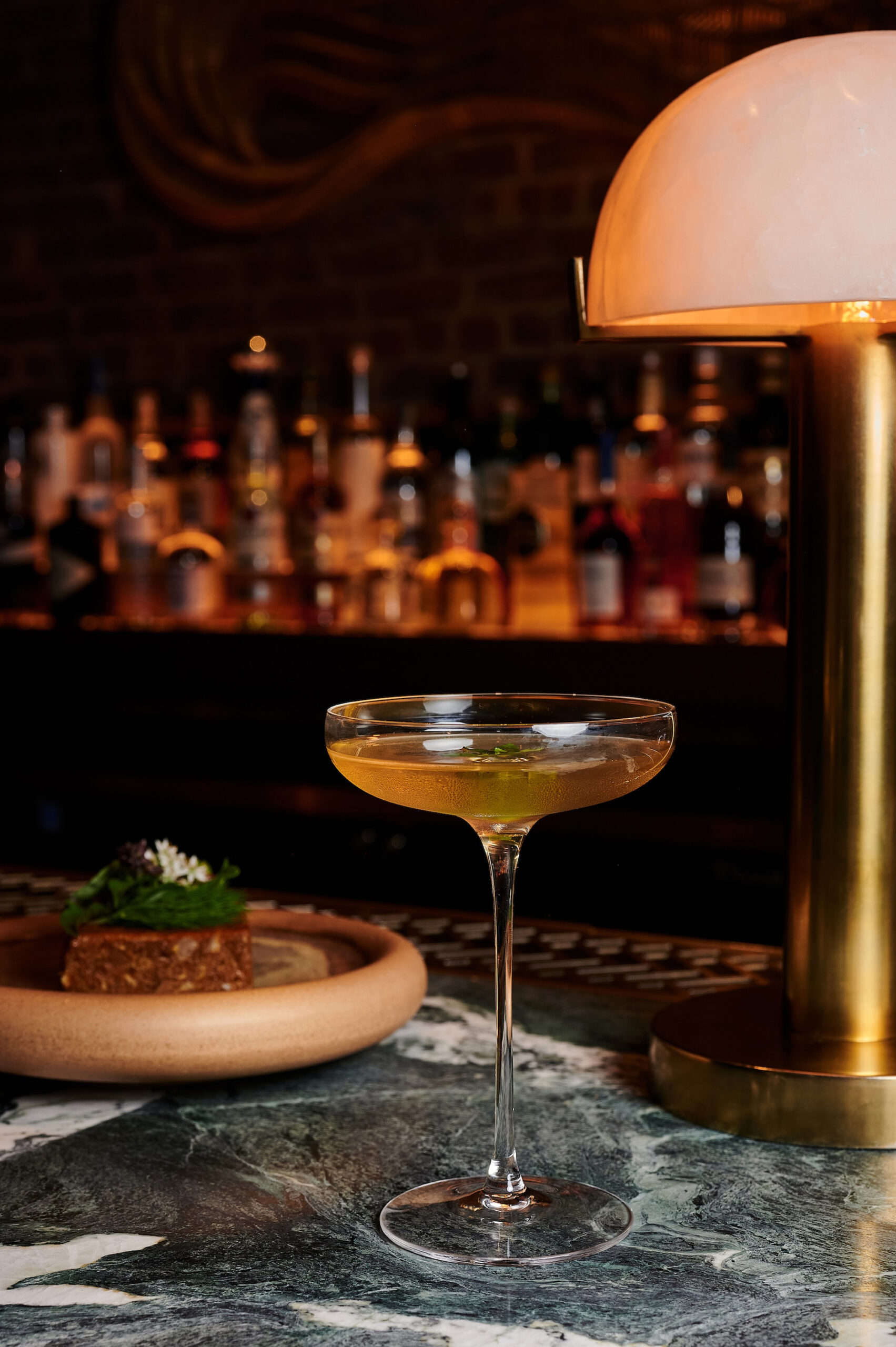
Fermentation appears throughout, from the cured pork sausage in Samrub Sai Ua to the funky backbone of shrimp paste in Pad Pak. These are not background notes but defining characteristics, the kind of sharp, pungent flavors that divide diners and define regional identity. Chef Sakdiphat Mokkasak's 16 years cooking at New York's Thai establishments position him to understand both the traditional preparations and the necessary translations for an American audience, though the menu suggests minimal compromise. The presence of makwaen pepper, wild betel leaves, and rice paddy herb signals a commitment to ingredient authenticity that extends beyond token gestures.
Photography by Titaporn Kunna
The design program reinforces this cultural specificity through collaborations with Thai artists and makers. Korakot Aromdee's bamboo work brings architectural-scale craft into the dining room, while Patapian's woven partitions demonstrate how traditional techniques adapt to contemporary spatial needs. The custom ceramics from Prempracha and Earth and Fire Ceramics, along with uniforms by Ek Thongprasert, suggest a comprehensive material language that extends the culinary narrative into every tactile interaction. This is not decoration applied to a restaurant but an integrated approach where food, material culture, and spatial design operate as mutually reinforcing elements of Thai identity.
Photography by Titaporn Kunna
What Narkara offers is less introduction than immersion, a calculated bet that New York's dining audience has matured beyond needing Thai cuisine filtered through Western expectations. The fermented, the funky, the slow-cooked, and the regionally specific replace the immediately gratifying, marking a moment where cultural authenticity becomes the draw rather than the obstacle.
Narkara
5 E 17th St
New York, NY 10003
Website