Bazaar Meat by José Andrés Brings Open-Flame Craft to NoMad's Dining Landscape
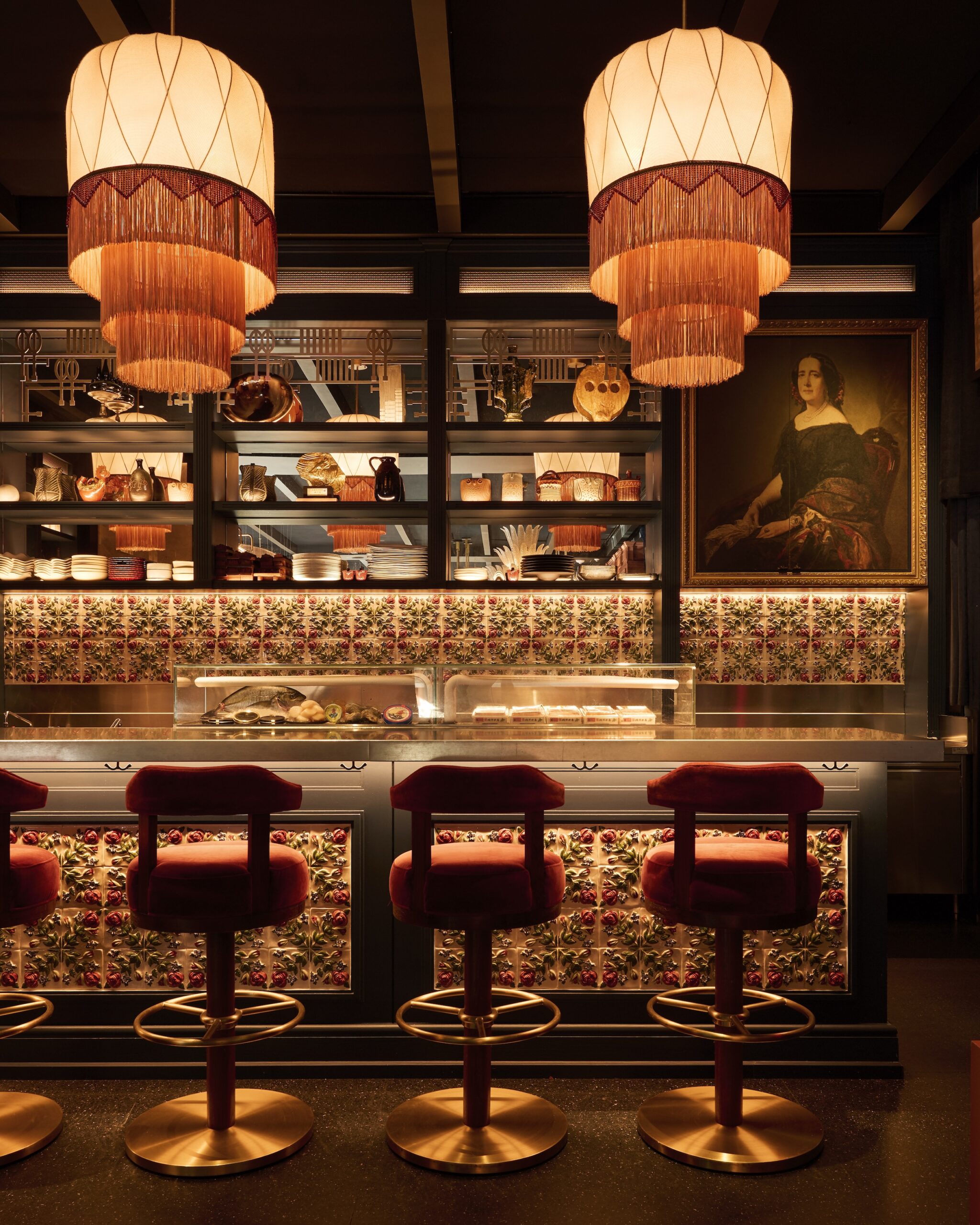
Photography by Björn Wallander
The design strategy of Bazaar Meat by José Andrés centers on revealing process rather than concealing it. Wood-fired cooking - a technique that predates modern culinary innovation by millennia - becomes the conceptual anchor, echoing methods practiced across Mediterranean cultures where fire management represents a fundamental skill passed between generations. The choice to foreground this approach speaks to a broader shift in contemporary dining, where transparency and craft visibility have become markers of authenticity. The Ishiyaki tableside service amplifies this philosophy, positioning diners as witnesses to thermal transformation, the volcanic stone serving as both cooking vessel and performance stage.
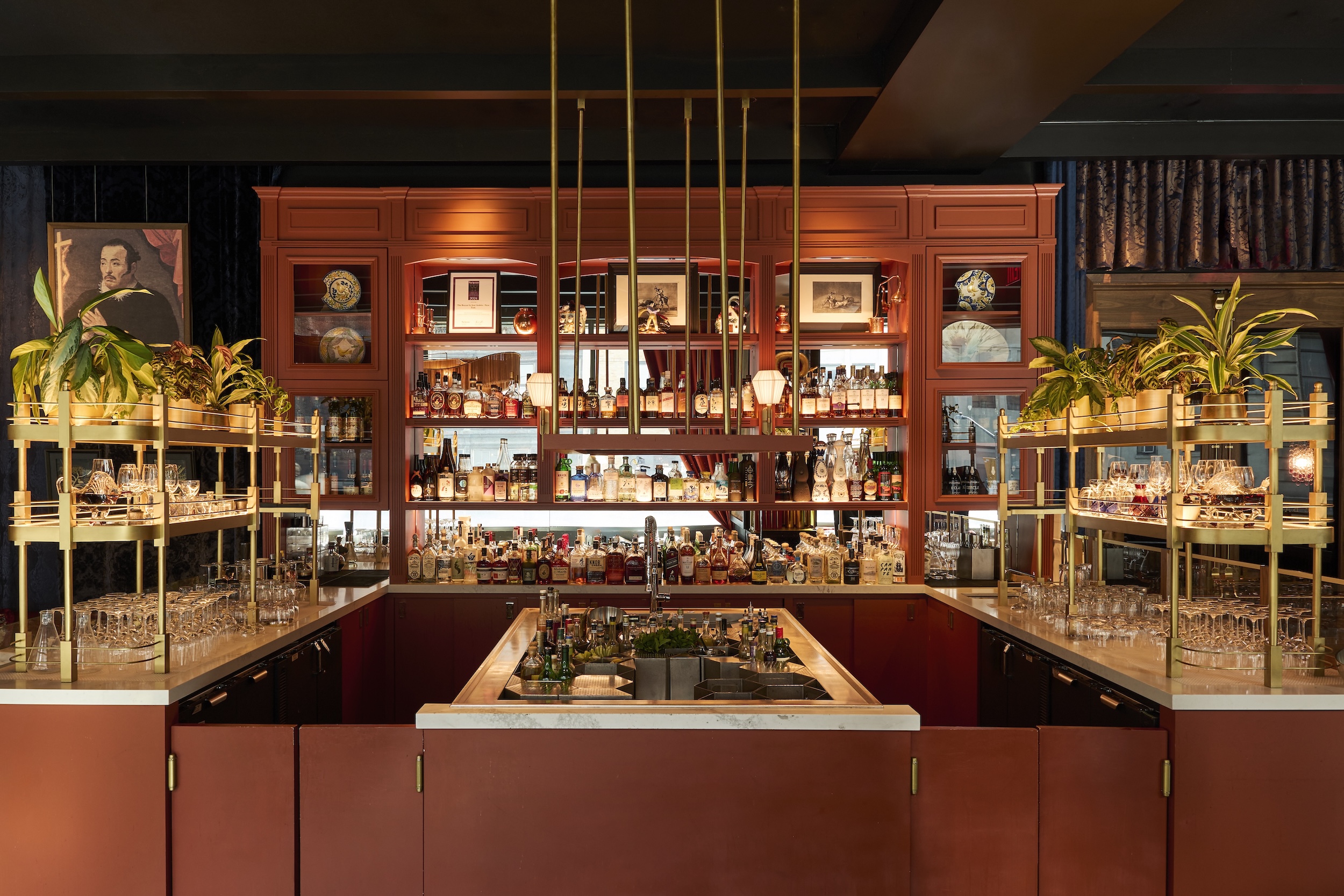
Photography by Björn Wallander
Material choices throughout the menu reveal careful attention to provenance and preparation method. The American Wagyu program and the curated Japanese beef selection demonstrate an understanding that marbling patterns and aging processes fundamentally alter texture and flavor development. These are not interchangeable proteins but distinct material studies, each requiring specific heat application and resting periods. The Pluma Ibérico de Bellota - a cut from acorn-fed pigs - represents a particularly refined material choice, its intramuscular fat content shaped by diet and heritage breeding practices that stretch back centuries across Spanish dehesa landscapes.
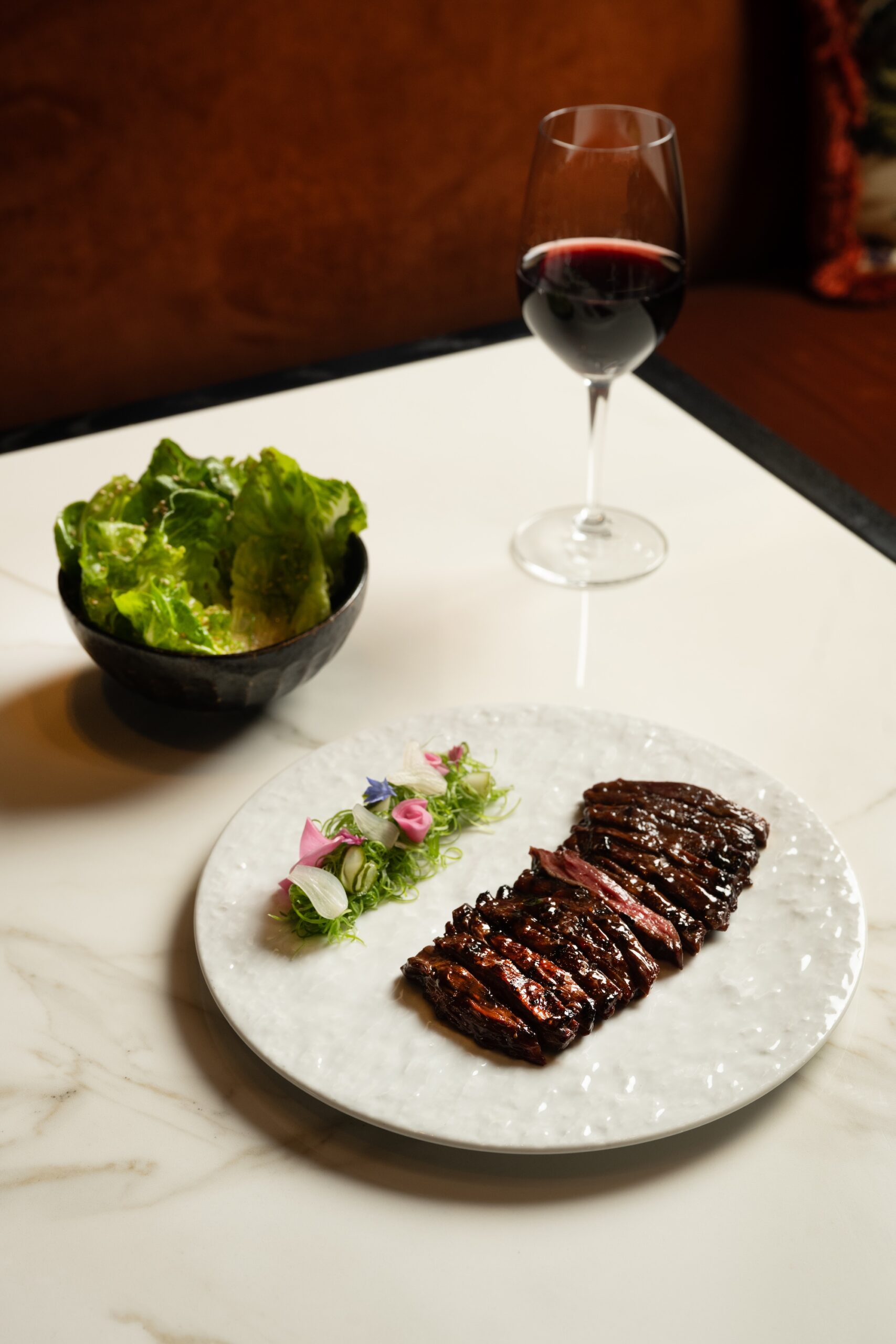
Photography by Liz Clayman
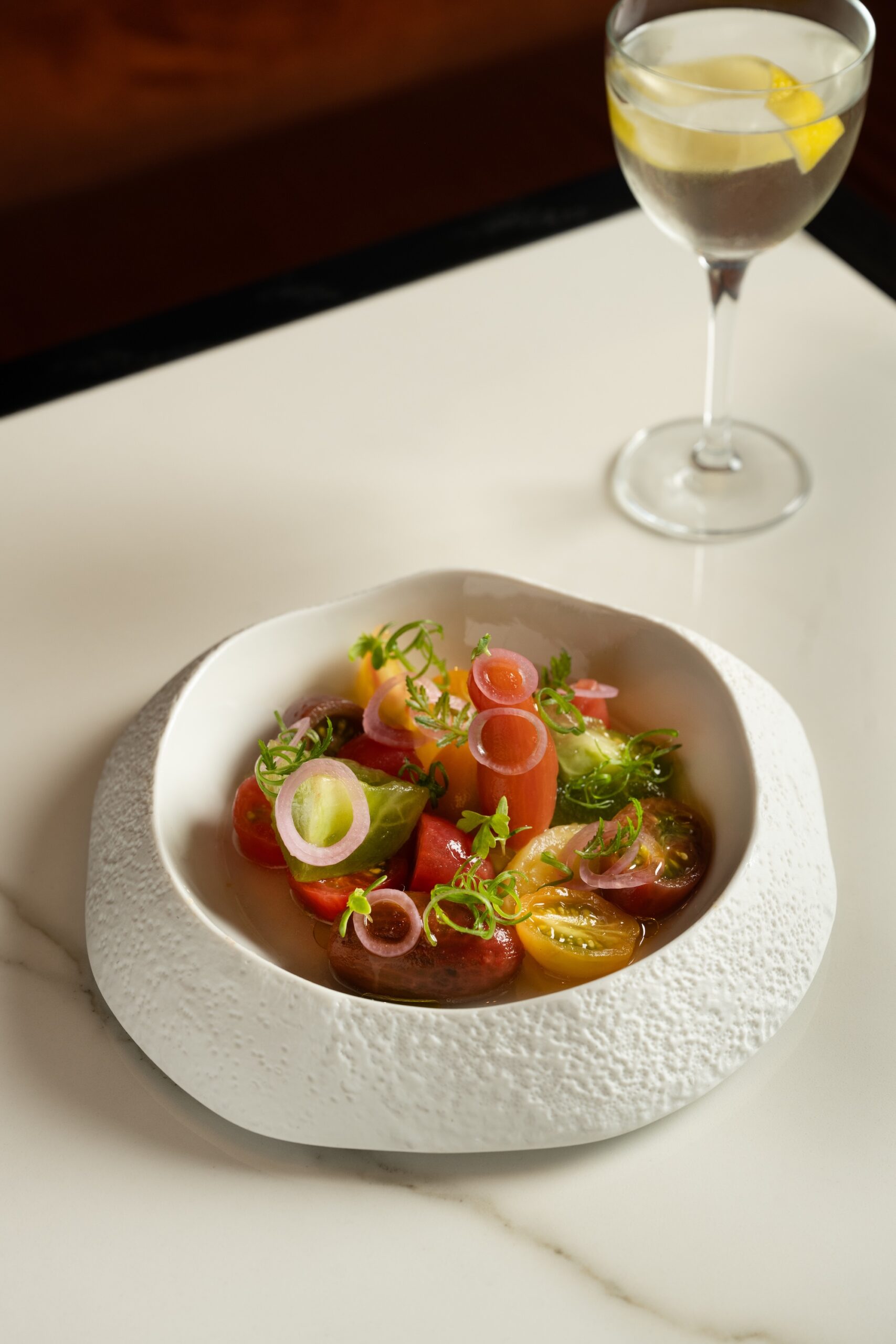
The architectural strategy of the raw bar and fire pit creates distinct thermal and sensory zones within the space. This segmentation recalls the traditional Spanish asador model, where different stations handle specific preparations, yet the integration feels contemporary rather than nostalgic. The tableside Caesar preparation and build-your-own martini service extend the performance logic beyond the fire pit, suggesting that craft visibility operates across multiple scales, from the molecular transformation of proteins under direct flame to the precise technique of emulsifying oil and egg yolk.
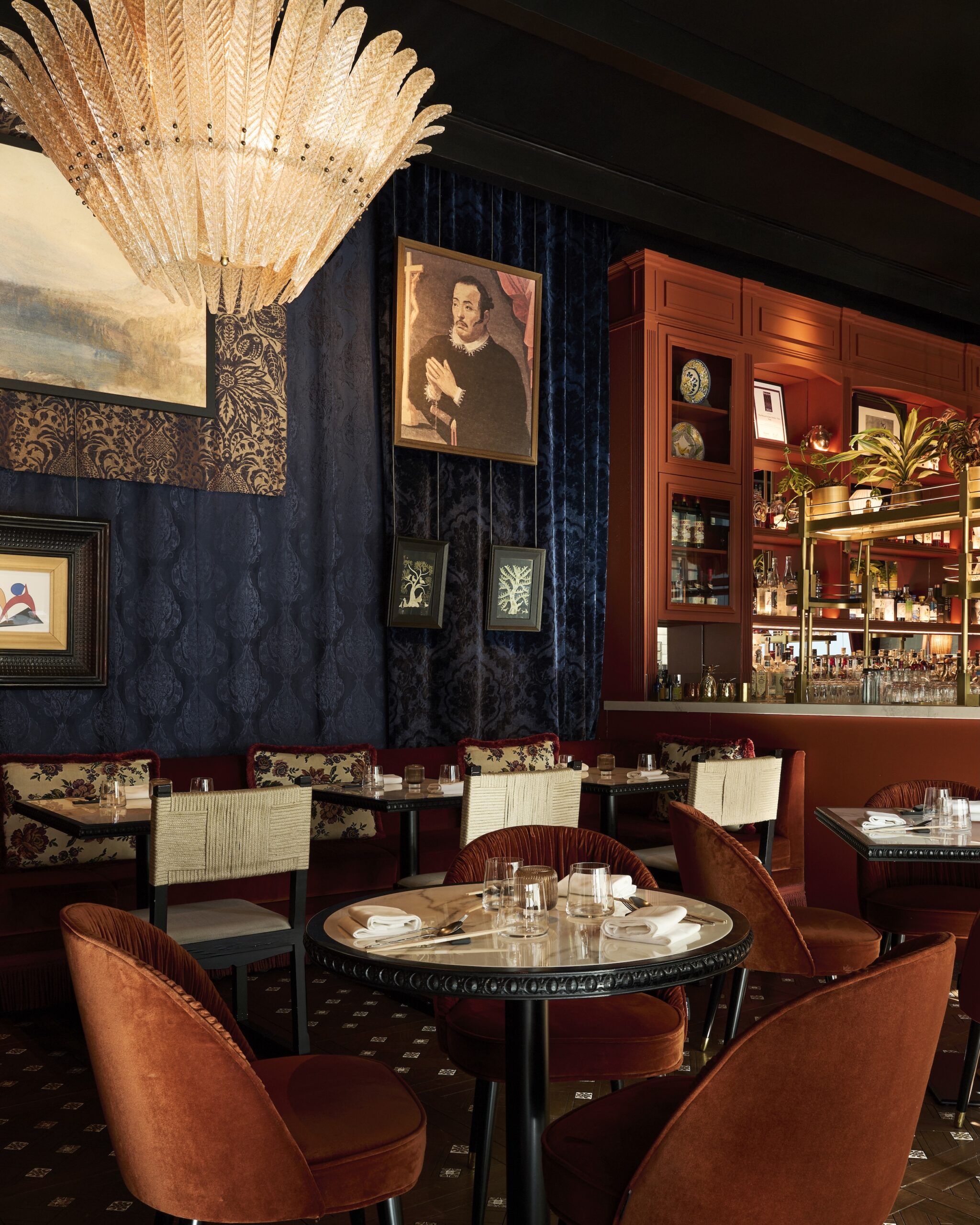
Photography by Björn Wallander
Whimsical elements - the foie gras cotton candy, the A5 Philly Cheesesteak - function as conceptual bridges, connecting high-technique cuisine with vernacular American food culture. These are not mere novelties but demonstrations of how traditional preparations can be deconstructed and reassembled, maintaining essential flavor profiles while disrupting expected textures and presentations. The José Taco operates within this same framework, though its specific composition remains deliberately mysterious in the source material.
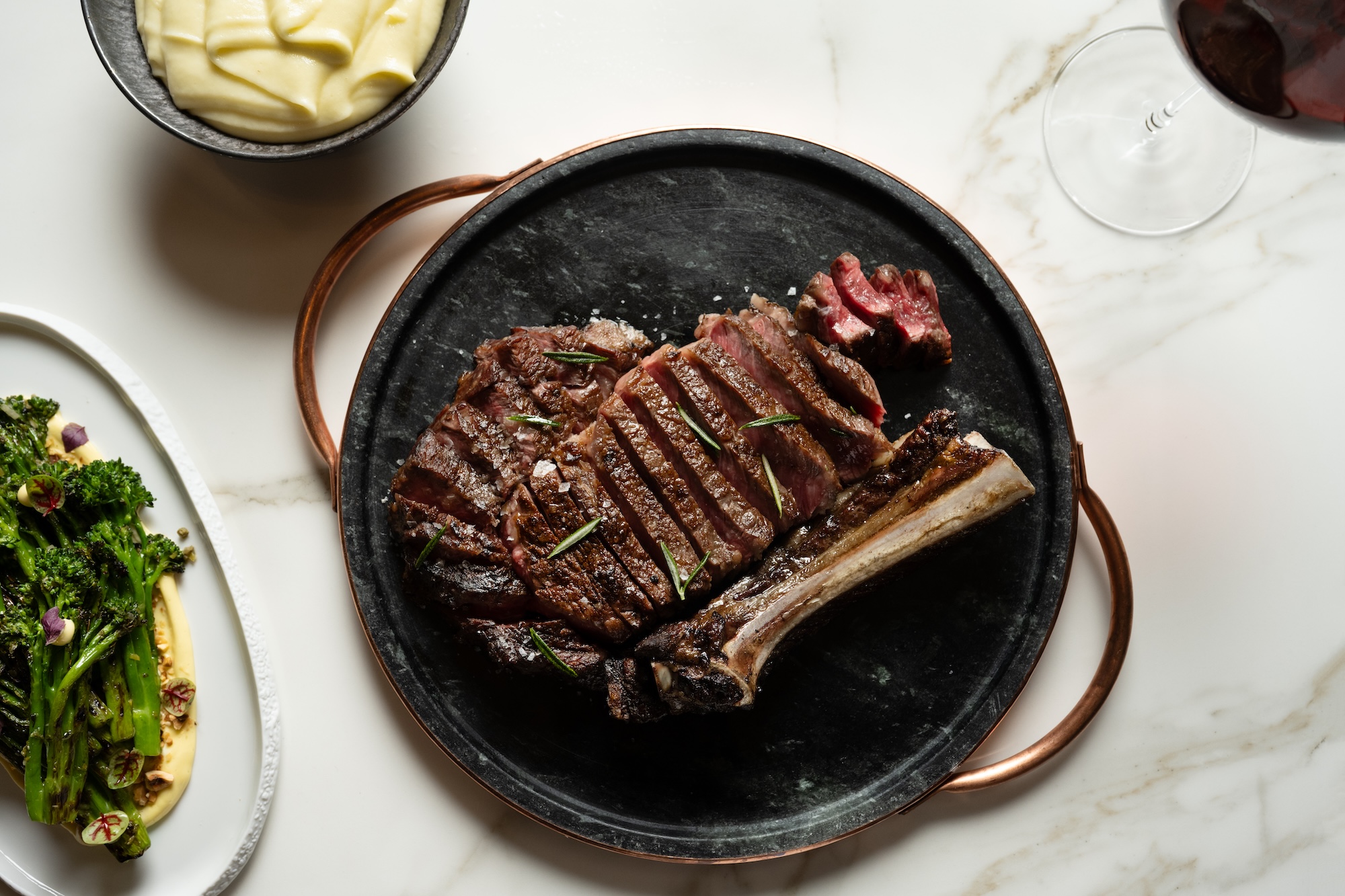
Photography by Björn Wallander
Bazaar Meat by José Andrés
The Ritz-Carlton New York, NoMad
35 W 28th St Second Floor
New York, NY 10001
Website